
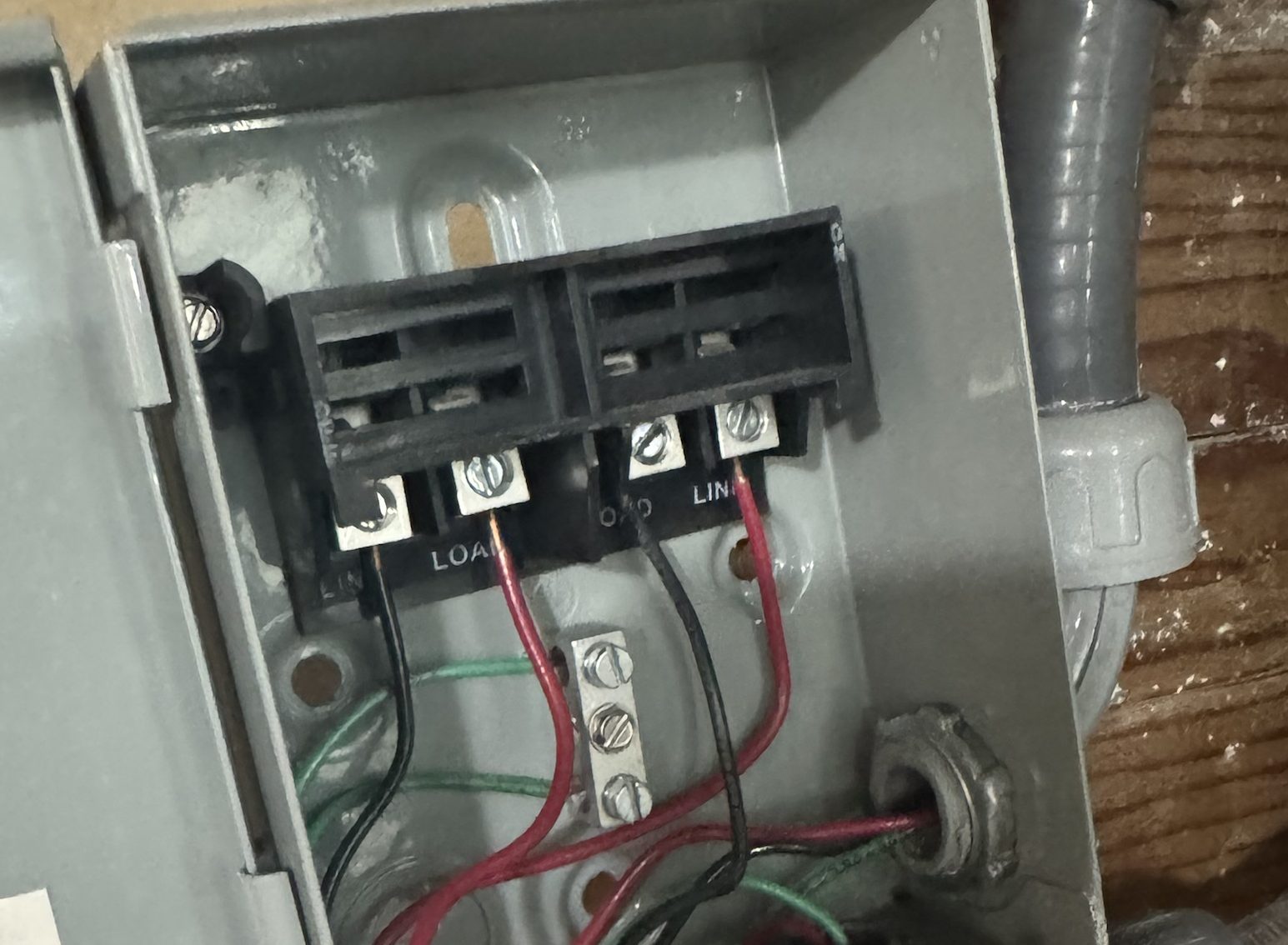
Every fall and winter, the Santa Ana winds blow hot, extremely dry air from the deserts toward the coast. In the San Fernando Valley they can push the temperature into the 90s in November, drop humidity into the single digits and send gusts roaring through the mountain passes. They’re hard on homes, and on heating and cooling systems in particular. Here’s how to get your HVAC through a wind event.
Rather have a licensed HVAC pro handle it?
Free referral to a licensed local HVAC pro. A real person calls you back, 7 AM – 8 PM, 7 days a week.
Where the wind hits hardest
Santa Ana winds are strongest where they squeeze through passes and canyons. In the Valley, that usually means the north and west edges: Sylmar and Granada Hills below the Newhall Pass, Porter Ranch and Chatsworth along the Santa Susana Mountains, and the foothill neighborhoods of Sunland-Tujunga. Homes near the hills and open space also get the most smoke when fires start.
Before the wind arrives
- Put in a fresh filter, and keep a spare. If your system can handle it, a MERV 13 filter catches much more dust and smoke. Ask a technician if you aren’t sure.
- Clear around the outdoor unit. Trim back dry brush, and move loose items like tarps, cushions and trash bins that could blow into it.
- Turn off whole-house fans and swamp coolers when the wind picks up. Both pull outside air, and all its dust, straight into your home.
- Know where your breakers are for the AC or heat pump and the indoor air handler, in case you need to shut them off during an outage.
During the wind event
Keep windows and doors closed and let your system run on recirculate. If there’s smoke in the air, close up the house and set the fan to run so the air keeps passing through the filter. Our wildfire smoke tips go into more detail.
Santa Ana days in October and November can be surprisingly hot, so it’s common to switch between heating in the morning and cooling in the afternoon. That’s fine for your system, but give it a few minutes in the off position between modes.
If the power goes out
During high fire danger, Southern California Edison sometimes shuts off power ahead of time in high-risk areas, called a Public Safety Power Shutoff. That can include neighborhoods in and around Calabasas, Hidden Hills and Bell Canyon. Wind can also knock out power anywhere.
- Turn the thermostat to off while the power is out. When power returns, wait a few minutes before turning the system back on, so it doesn’t restart during flickers or surges.
- If the system won’t restart, check the breakers. A heat pump or AC may also have a short built-in delay before the compressor starts.
- Never run a generator indoors, in a garage or near windows. Generator exhaust contains carbon monoxide, which can kill in minutes.
- Consider a surge protector for your HVAC system. A licensed electrician or HVAC contractor can install one at the outdoor unit or panel.
After the wind
- Check the outdoor unit with the power off. Remove leaves and trash from around it and gently rinse off dust with a garden hose. Never use a pressure washer on the fins.
- Replace the filter if it looks gray. After a big dust event, it may be clogged already.
- Listen for new noises. Rattling, scraping or a fan that won’t spin can mean debris or damage inside the unit. Turn it off and call a pro.
What about the dry air?
When humidity drops into the single digits, you may notice static shocks, dry skin and scratchy throats. A portable humidifier in the bedroom usually helps. Most Valley homes don’t need a whole-house humidifier, since Santa Ana conditions only last a few days at a time.
Need a licensed pro?
If your system is damaged, noisy or won’t restart after a wind event, call us and we’ll connect you with an independent, licensed HVAC contractor who serves your part of the San Fernando Valley. It’s free for homeowners.
Garage door and gate ready for the wind? See the Santa Ana wind season garage door checklist on our sister site, Valley Garage Door Network.
Valley HVAC Network is a free referral service, not an HVAC contractor. All work is done by independent contractors licensed by the California CSLB. Learn how it works.
Prefer a callback?
Leave your name and number and a real person will call you back to connect you with a licensed local HVAC contractor. It’s free for homeowners, with no obligation. Or call (818) 658-2668.