
- Free for homeowners
- Licensed local HVAC pros in the San Fernando Valley
- A real person calls you back
- Answering calls 7 AM – 8 PM, 7 days a week
What’s going on?
How it works
- Tell uswhat’s going on, by phone or the form
- We match youwith a licensed local pro
- They call youand quote the job in writing. You decide.
Every pro we refer holds an active California contractor license. Check any license at CSLB.ca.gov
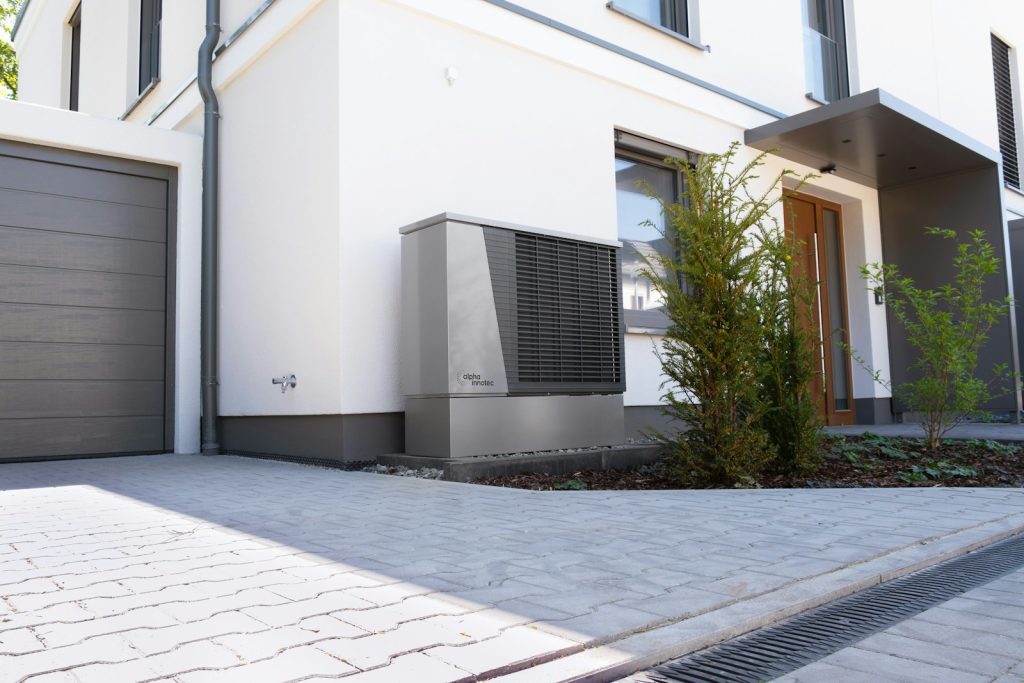
Heat Pump Installation & Repair in the San Fernando Valley
A heat pump is one system that both cools your home in summer and heats it in winter. Valley HVAC Network connects homeowners with independent, licensed local HVAC contractors who install, repair and maintain heat pumps across the San Fernando Valley, from Burbank and Sun Valley to Chatsworth and West Hills.
How a Heat Pump Works
In summer, a heat pump works exactly like a central air conditioner: it moves heat from inside your home to the outside. In winter, a reversing valve flips the direction, and the system pulls heat from the outdoor air and brings it inside. It moves heat instead of burning fuel to make it, which is why it can be so efficient. See our diagram of how your AC works; a heat pump runs that same loop in both directions.
Why Heat Pumps Fit Valley Homes
- Mild winters: Valley winter nights usually stay well within the range where heat pumps heat efficiently.
- One system, two jobs: if your AC and your gas furnace are both getting old, one heat pump can replace both.
- No combustion indoors: no gas burner in your home for heating, and no carbon monoxide from the heating system.
- Rebates: utilities and state programs have offered incentives for switching to a heat pump. Programs change often, so ask your contractor and check with your electric utility (LADWP, Burbank Water and Power, or SCE, depending on where you live) before you buy.
Common Heat Pump Problems We Connect Homeowners With Help For
- Blowing cool air in heat mode — can be a stuck reversing valve, low refrigerant, or a thermostat set up for the wrong system type
- Ice on the outdoor unit that won’t clear — a light frost that melts off on its own is normal, but a solid block of ice points to a defrost or airflow problem
- Steam from the outdoor unit in winter — usually normal; it’s the defrost cycle melting frost
- Very high electric bills in winter — backup electric heat strips may be running too much, often from a thermostat or sensor issue
- Won’t switch between heating and cooling — often a reversing valve or control problem
- Running constantly or short cycling — dirty coils, a clogged filter, low refrigerant or a system that’s the wrong size
Quick Checks Before You Call
- Thermostat: confirm it’s set to Heat or Cool as needed and that the setpoint makes sense. Some thermostats show “Aux” or “Em Heat” when backup heat is on.
- Breakers: heat pumps often have two breakers, one for the outdoor unit and one for the indoor air handler. If one trips again, stop and call a pro.
- Air filter: a clogged filter hurts both heating and cooling. Replace it if it’s dirty.
- Outdoor unit: keep plants, debris and stored items at least 2 feet away so it can breathe.
- Don’t chip ice: never hit or scrape ice off the coil. Turn the system off and call a technician if it doesn’t clear.
Installing a New Heat Pump
A good installation matters as much as the equipment. Before you sign, make sure the contractor:
- Does a load calculation for your home instead of just matching the old unit’s size
- Checks whether your electrical panel can handle the new system, especially if you’re switching from a gas furnace
- Inspects your ductwork for leaks and sizing problems
- Pulls the required permit (LADBS in the City of Los Angeles, or your own city or county building department elsewhere)
- Explains the efficiency rating, the equipment and labor warranties, and any rebates you may qualify for
Not sure whether a heat pump or a new furnace makes more sense? Read our heat pump vs. furnace guide.
What Affects the Cost
- Size and efficiency of the system you choose
- Whether you need an electrical panel upgrade or new wiring
- Ductwork repairs, or a ductless mini-split setup for homes without ducts
- Permits, and how easy the equipment location is to reach, such as attics or rooftops
A licensed contractor should give you a written quote with a clear price before starting work.
Common Questions
Can a heat pump keep my home warm in the winter?
In the San Fernando Valley, yes for most homes. Our winters are mild compared with the places heat pumps are regularly used, and a properly sized system handles typical cold nights without trouble.
Is a heat pump the same as a ductless mini-split?
A mini-split is one type of heat pump. Heat pumps also come as central, ducted systems that connect to your existing vents.
Why is my heat pump blowing lukewarm air?
Heat pump air often feels cooler than air from a gas furnace, even when it’s heating your home properly. If rooms aren’t reaching the thermostat setting, have it checked.
How much does a heat pump cost?
A ducted system that uses your existing ducts usually costs less than one needing new ductwork or a panel upgrade. Size, efficiency and brand matter too. Federal tax credits and local utility rebates can lower the net price, so ask the contractor which ones apply.
What Happens When You Call
- Tell us what’s happening with your heat pump, or what you’d like installed, and where you’re located
- We connect you with an independent, licensed HVAC contractor who services your neighborhood
- They diagnose, repair or quote the job directly with you
Will your panel handle a heat pump? Many older Valley homes need a panel upgrade or a new circuit first. Our sister site Valley Electrical Network connects homeowners with licensed electricians for that part of the job.
Valley HVAC Network is a referral service, not an HVAC contractor. Learn more about how this works →
Serving
Arleta • Bell Canyon • Burbank • Calabasas • Canoga Park • Chatsworth • Encino • Granada Hills • Hidden Hills • Lake Balboa • Lake View Terrace • Mission Hills • North Hills • North Hollywood • Northridge • Pacoima • Panorama City • Porter Ranch • Reseda • San Fernando • Shadow Hills • Sherman Oaks • Studio City • Sun Valley • Sunland-Tujunga • Sylmar • Tarzana • Toluca Lake • Valley Glen • Valley Village • Van Nuys • West Hills • Winnetka • Woodland Hills • (and the greater San Fernando Valley)
Request Help Online
Prefer not to call? Fill out the form below and we’ll connect you with a licensed local HVAC professional. It’s free for homeowners.